Cancer Heterogeneity and Plasticity ISSN 2818-7792
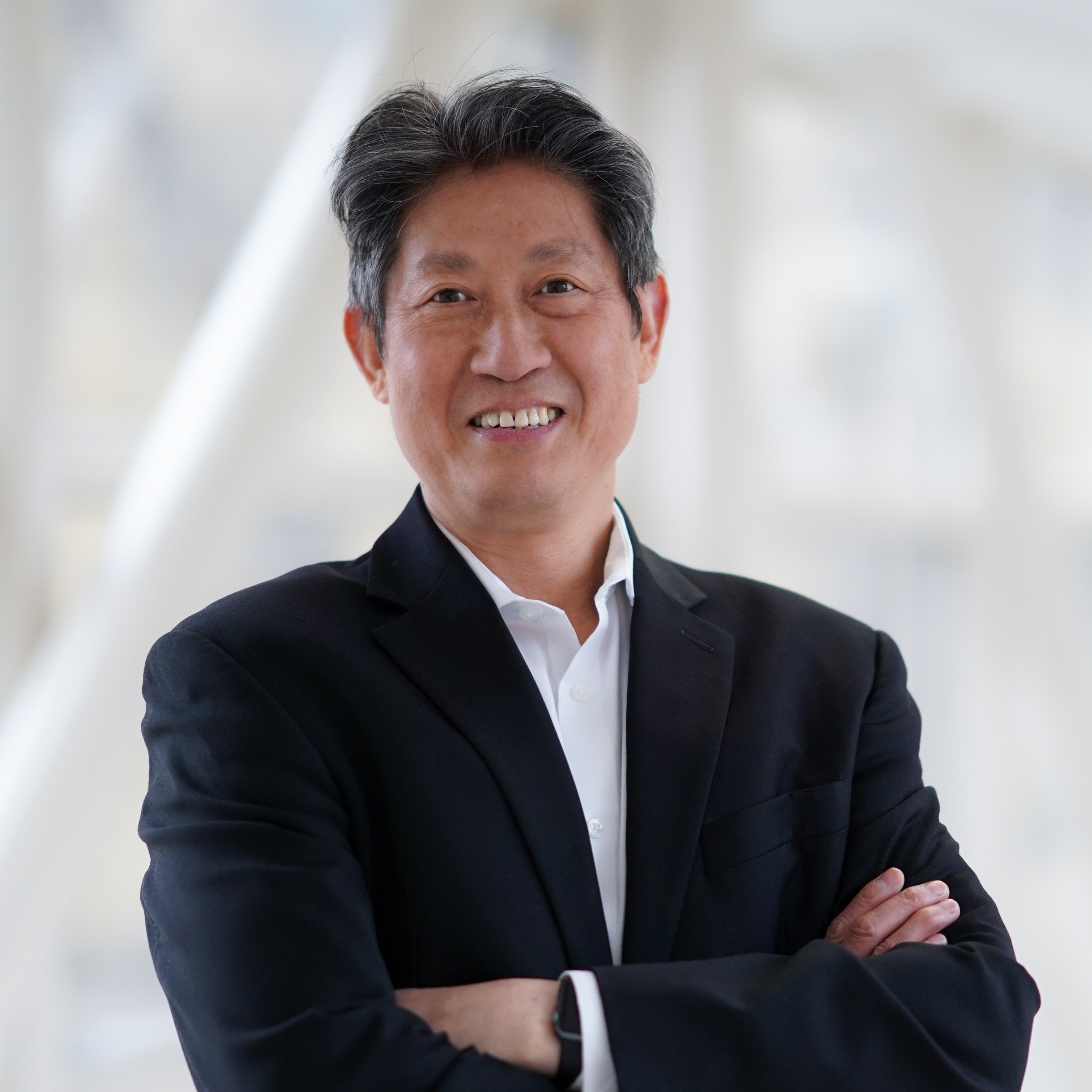
Distinguished Professor and Chair, Department of Pharmacology & Therapeutics, Roswell Park Comprehensive Cancer Center (RPCCC), USA
Research Interests: Cancer cell heterogeneity and plasticity; cancer stem cells; prostate cancer; non-coding RNAs and epigenetic regulation of cell state
E-Mail | Website
Professor, Department of Cancer Sciences, Cleveland Clinic Research, Cleveland, OH, USA Rose Ella Burkhardt Brain Tumor Center, Cleveland Clinic, Cleveland, OH, USA Case Comprehensive Cancer Center, Cleveland, OH, USA Department of Molecular Medicine, Cleveland Clinic Lerner College of Medicine of Case Western Reserve University School of Medicine, Cleveland, OH, USA Department of Clinical Medicine and Biotech Research and Innovation Centre (BRIC), University of Copenhagen, Copenhagen, Denmark
Research Interests:
Submitted manuscripts should not have been published previously, nor been under consideration for publication elsewhere (except conference proceedings). All manuscripts will be thoroughly refereed through a single-blinded peer-review process. A guide for manuscript submission is available at Submission Instructions.
Published PapersReviewMetabolic plasticity and radiotherapy response in prostate cancer: Emerging roles for extracellular vesicles
Ken You, Rashmi Gupta, Joseph Bucci, Qi Wang, Jie Ni
Cancer Heterogeneity and Plasticity https://doi.org/10.47248/chp2603030010
PerspectiveWhen immune landscapes diverge: How immune cell heterogeneity shapes cancer immunotherapy response
Jessie L. Chiello, Nijamuddin Shaikh, AJ Robert McGray
Cancer Heterogeneity and Plasticity https://doi.org/10.47248/chp2603030009
ReviewHippo-YAP/TAZ signaling in gastric cancer: orchestrating epithelial-stromal heterogeneity, plasticity, and therapy resistance
Junsong Zhao, Curt Balch, Dipti Athavale, Yanting Zhang, Xiaodan Yao, Mikel Ghelfi, Madeline B Torres, Young Ki Hong, Jamin Morrison, Francis Spitz, Generosa Grana, Shumei Song
Cancer Heterogeneity and Plasticity https://doi.org/10.47248/chp2603030008
EditorialDissecting and Targeting the Heterogeneity and Plasticity of the Tumor Ecosystem
Dean G. Tang, Justin D. Lathia
Cancer Heterogeneity and Plasticity https://doi.org/10.47248/chp2603020007

Copyright © 2026 Pivot Science Publications Corp. - unless otherwise stated | Terms and Conditions | Privacy Policy